
News
The explosive growth of the photovoltaic industry has driven a surge in demand for new substrates such as magnesium-aluminum-zinc coated plates.
In the global energy transition, the photovoltaic industry, as a major force in clean energy, has ushered in unprecedented development opportunities. This booming trend not only directly benefits photovoltaic module manufacturers but also propagates upstream, creating a huge demand for special coated steel.
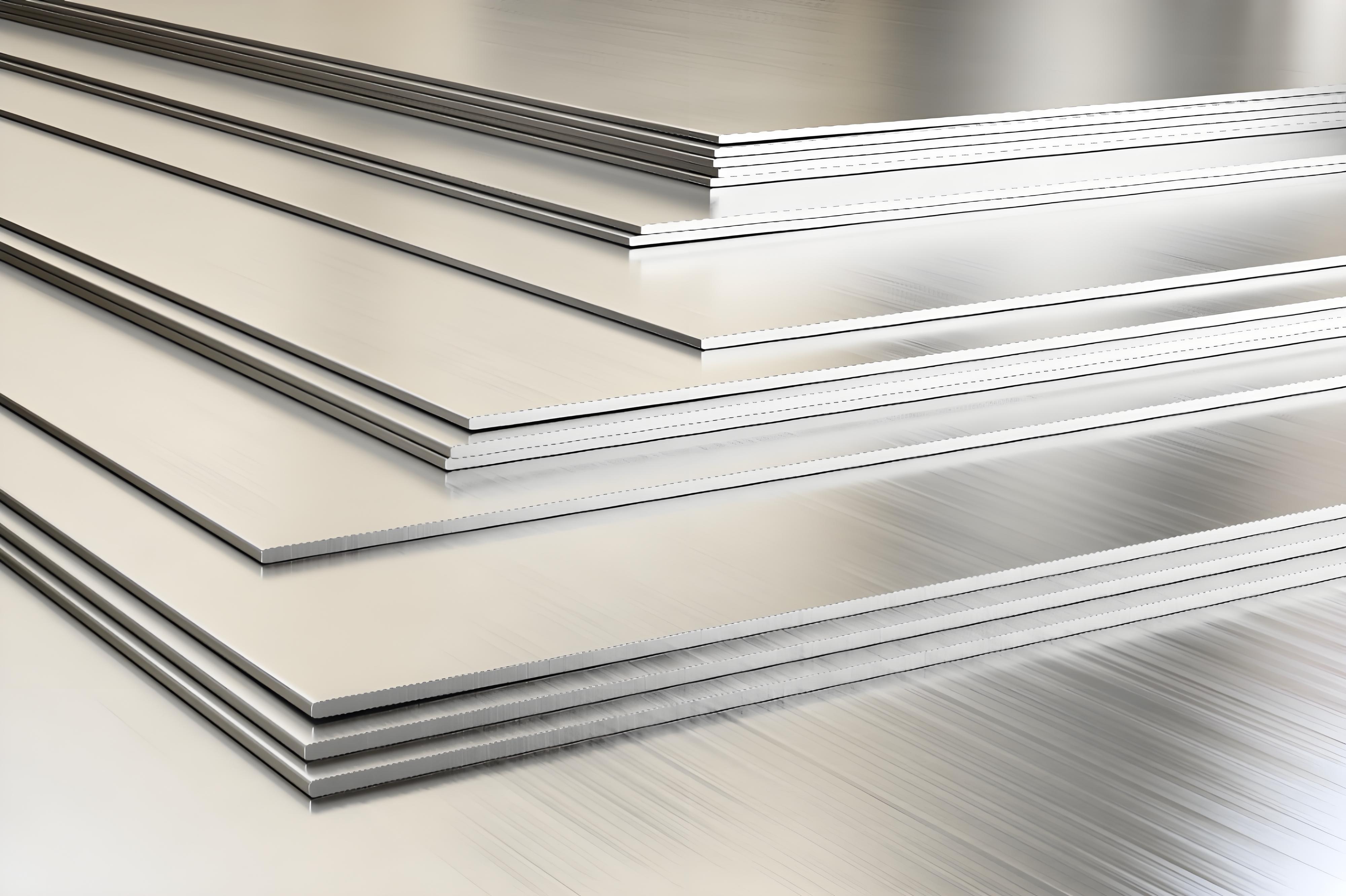
According to industry research data, the market demand for magnesium-aluminum-zinc coated steel sheets (also known as zinc-aluminum-magnesium sheets), a core raw material for photovoltaic brackets, has grown exponentially in recent years. Compared to traditional hot-dip galvanized sheets, magnesium-aluminum-zinc coated sheets, due to their unique composition ratio (addition of magnesium and aluminum elements), possess superior self-healing capabilities and corrosion resistance, perfectly adapting to the complex and harsh outdoor environments of photovoltaic power stations, such as deserts and high-salt-fog seashores. Their service life can reach over 25 years, perfectly matching the lifespan of photovoltaic modules.
Meanwhile, the application of color-coated steel sheets in the photovoltaic field is also continuously expanding. More and more building-integrated photovoltaic (BIPV) projects are beginning to use custom-colored color-coated steel sheets as structural components, satisfying both the aesthetic needs of the building and the power generation function. Furthermore, some commercial and industrial rooftop distributed photovoltaic projects are also beginning to use high-weather-resistant color-coated steel sheets as roofing materials, achieving the dual functions of structural load-bearing and photovoltaic power generation.
Industry insiders point out that as photovoltaic power plants develop towards "large-scale, multi-scenario" deployments, higher demands are being placed on the lightweight, weather-resistant, and cost-controlled aspects of support materials. New substrate materials such as magnesium-aluminum-zinc coated steel sheets, with their comprehensive performance advantages, are rapidly replacing traditional coated products. It is projected that their market demand will maintain an average annual growth rate of over 15% in the next five years, becoming a highly promising segment within the steel sheet industry.
Related Posts
- ▶ China's steel export structure continues to optimize, with the proportion of high value-added products steadily increasing.
- ▶ The explosive growth of the photovoltaic industry has driven a surge in demand for new substrates such as magnesium-aluminum-zinc coated plates.
- ▶ Pressure vessel plates common grades
- ▶ Titanium alloy material comparison
- ▶ Tinplate material comparison
- ▶ Silicon steel material comparison
Send Us A Message