
News
As the infrastructure boom in ASEAN continues to heat up, Chinese construction-grade steel has become the preferred choice in the regional market.
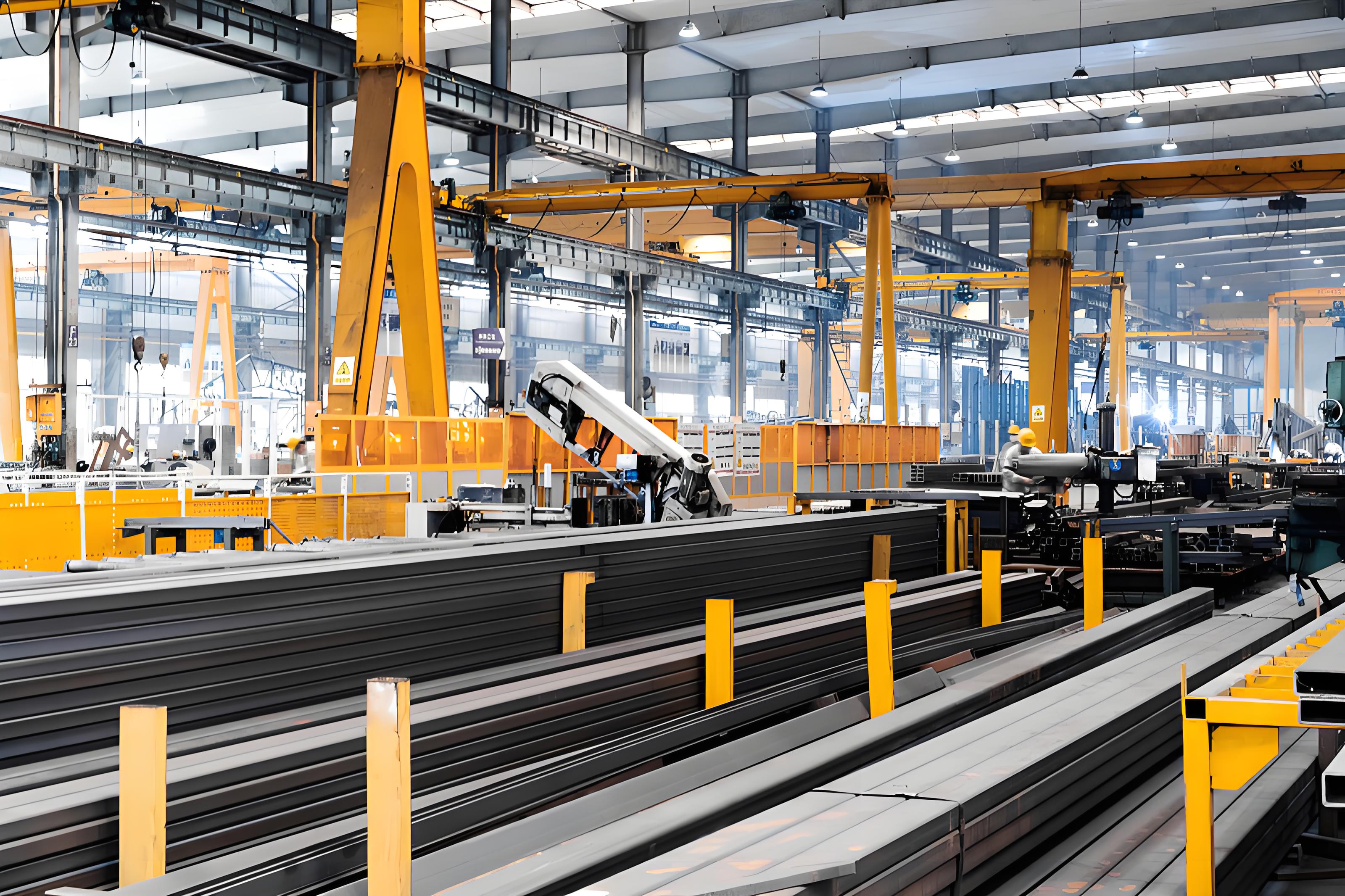
With the deepening implementation of the Belt and Road Initiative in Southeast Asia and the advancement of infrastructure upgrade plans in ASEAN countries, a sustained infrastructure boom is sweeping the region. From the construction of Indonesia's new capital to Malaysia's East Coast Rail Link and the expansion of industrial parks in Vietnam, the huge demand for engineering projects has led to a high dependence on imported construction steel in the region. China, with its geographical advantages and complete product system, remains the top source of steel imports for ASEAN.
From a product structure perspective, Chinese steel flowing into the ASEAN market exhibits two main characteristics:
Firstly, demand for basic building materials remains robust. With accelerated urbanization, various commercial complexes, high-rise residential buildings, and transportation hubs are springing up everywhere, creating a solid foundation for demand for carbon steel H-beams, rebar, and color-coated corrugated sheets for construction. Color-coated sheets, in particular, are widely used for roofing and walls of factory and commercial buildings due to their rich colors and ease of construction, making them highly competitive in the local market.
Secondly, demand for industrial materials is beginning to rise. To absorb the global industrial chain shift, ASEAN countries are vigorously building industrial parks and processing and manufacturing bases. This trend has driven demand for high-quality galvanized steel sheets, primarily used in ventilation ducts, electrical cabinets, and light steel structures. Simultaneously, the development of food processing, catering, and tourism industries has led to the increasingly widespread application of 300 and 200 series stainless steel in kitchenware, tableware, and decorative tubing.
Market observers believe that as the benefits of the Regional Comprehensive Economic Partnership (RCEP) continue to materialize, steel trade barriers between China and ASEAN will be further reduced. In the future, simple price competition will gradually give way to comprehensive competition based on "product quality + delivery efficiency + customized services." Steel suppliers who can accurately grasp local demand changes and provide stable supply and supporting processing services will occupy a more advantageous position in this regional market.
Related Posts
- ▶ China's steel export structure continues to optimize, with the proportion of high value-added products steadily increasing.
- ▶ The explosive growth of the photovoltaic industry has driven a surge in demand for new substrates such as magnesium-aluminum-zinc coated plates.
- ▶ Pressure vessel plates common grades
- ▶ Titanium alloy material comparison
- ▶ Tinplate material comparison
- ▶ Silicon steel material comparison
Send Us A Message